Lesson 3 · 6 min
What Happens When You Pay?
Lesson notes
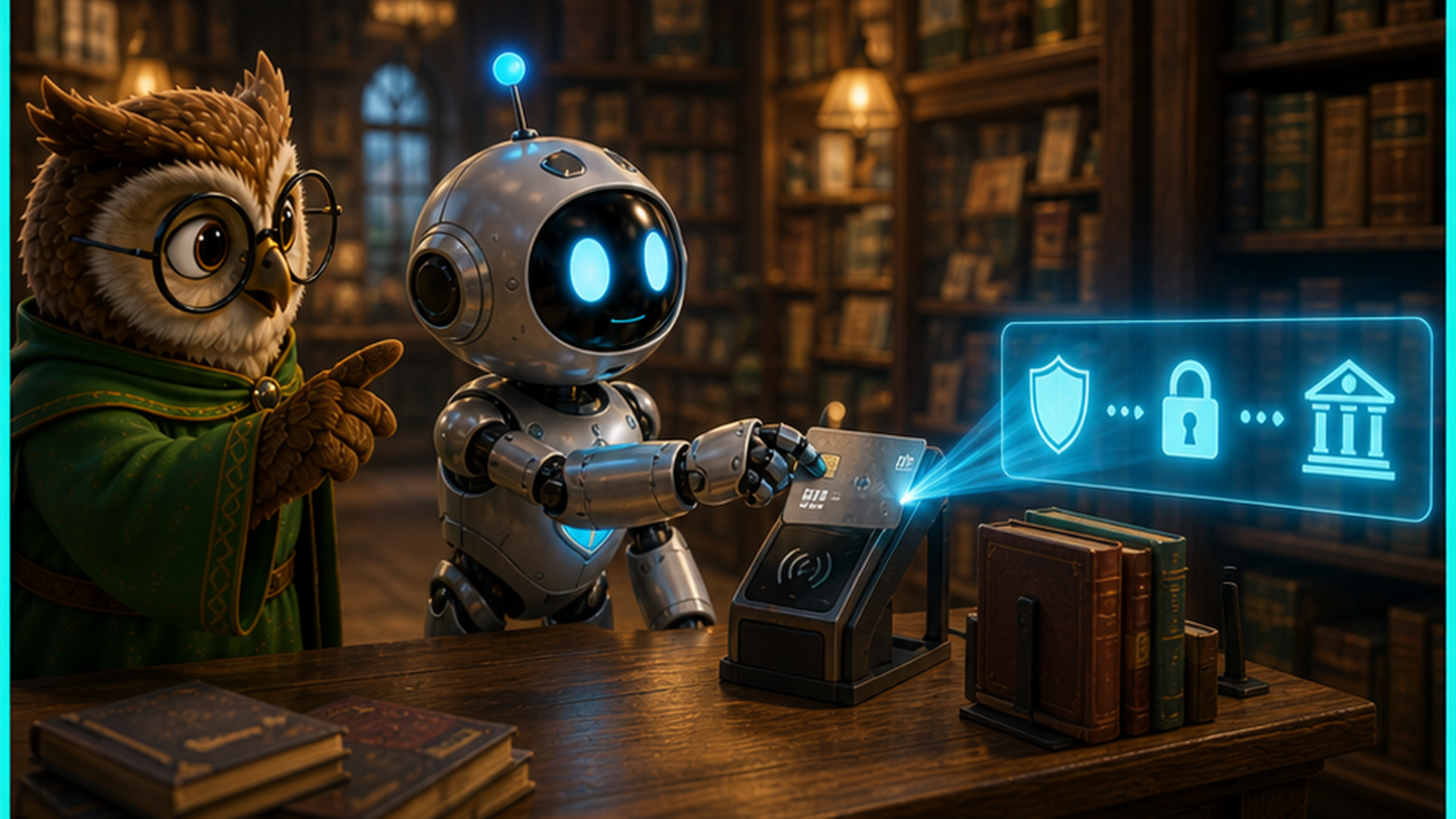
Byte tapped a card at a bookstore and the terminal approved it. But no coin flew from the card into the shop. Goldie froze the moment: "If no physical money moved, what changed?"
A payment is a message
The tap starts a payment instruction. Information travels through payment providers and banking systems. The exact route depends on the method, the banks and the country — but the key idea is that secure messages and records move, not a tiny digital banknote hidden in the card.
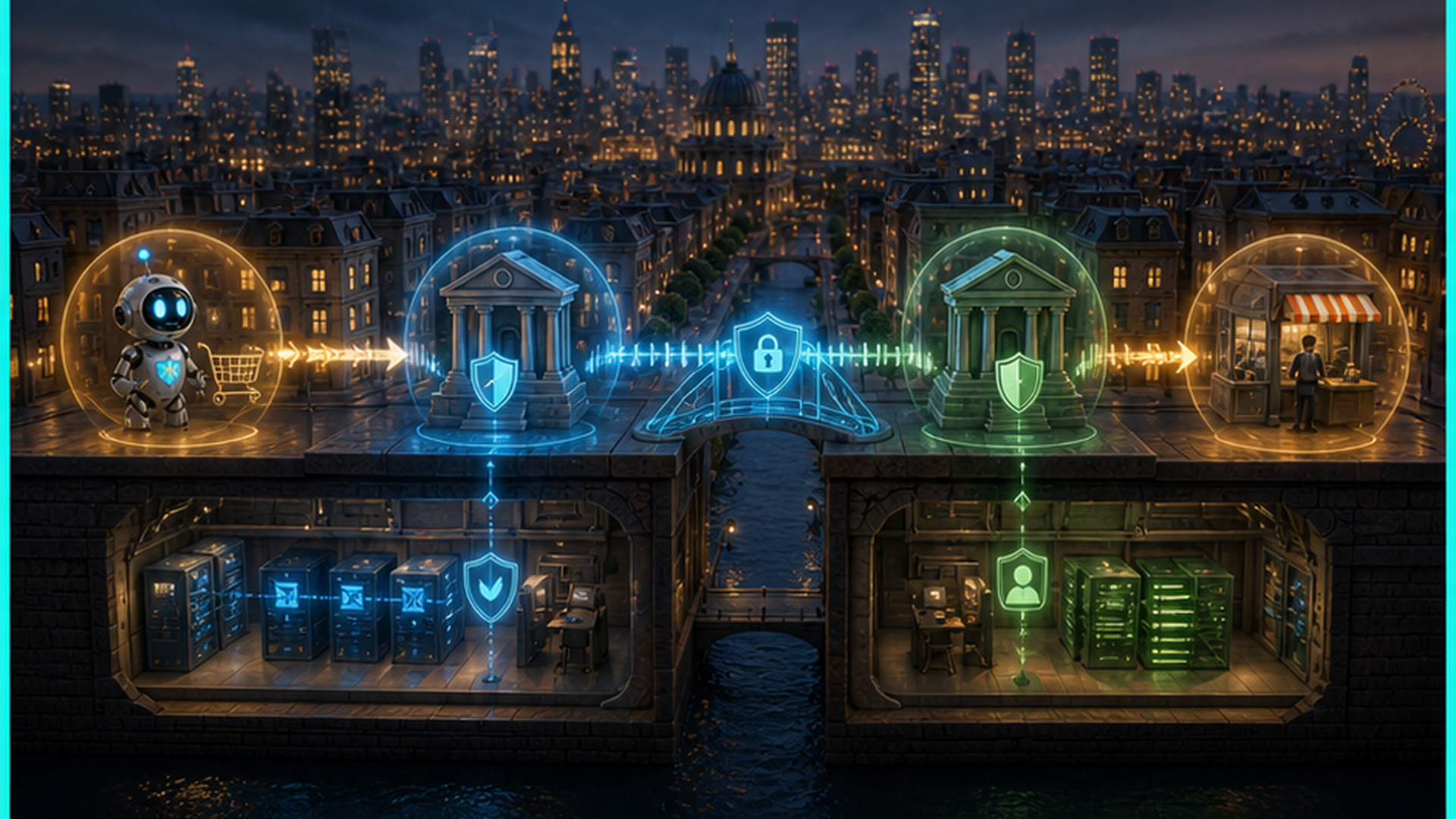
Along the way:
- Checks happen — is the card or account valid? Are there enough funds or credit? Do the security rules allow it? (Authorising a payment is permission to continue, not always the final settlement.)
- Records update — the buyer's bank records money going out; the seller's side records money due or received. Several institutions' records must agree, so you can't spend the same balance twice and the seller can trust they'll be paid.
- Banks settle — behind the scenes, banks and providers work out and settle what they owe each other. Central-bank settlement systems can be part of this. (Real systems have many more steps; this is a simplified model.)
With cash, it's different: the physical note or coin itself changes hands, and the shop can usually see straight away that it's been paid — though it still has to guard against loss and fakes.
Why trust is the real foundation
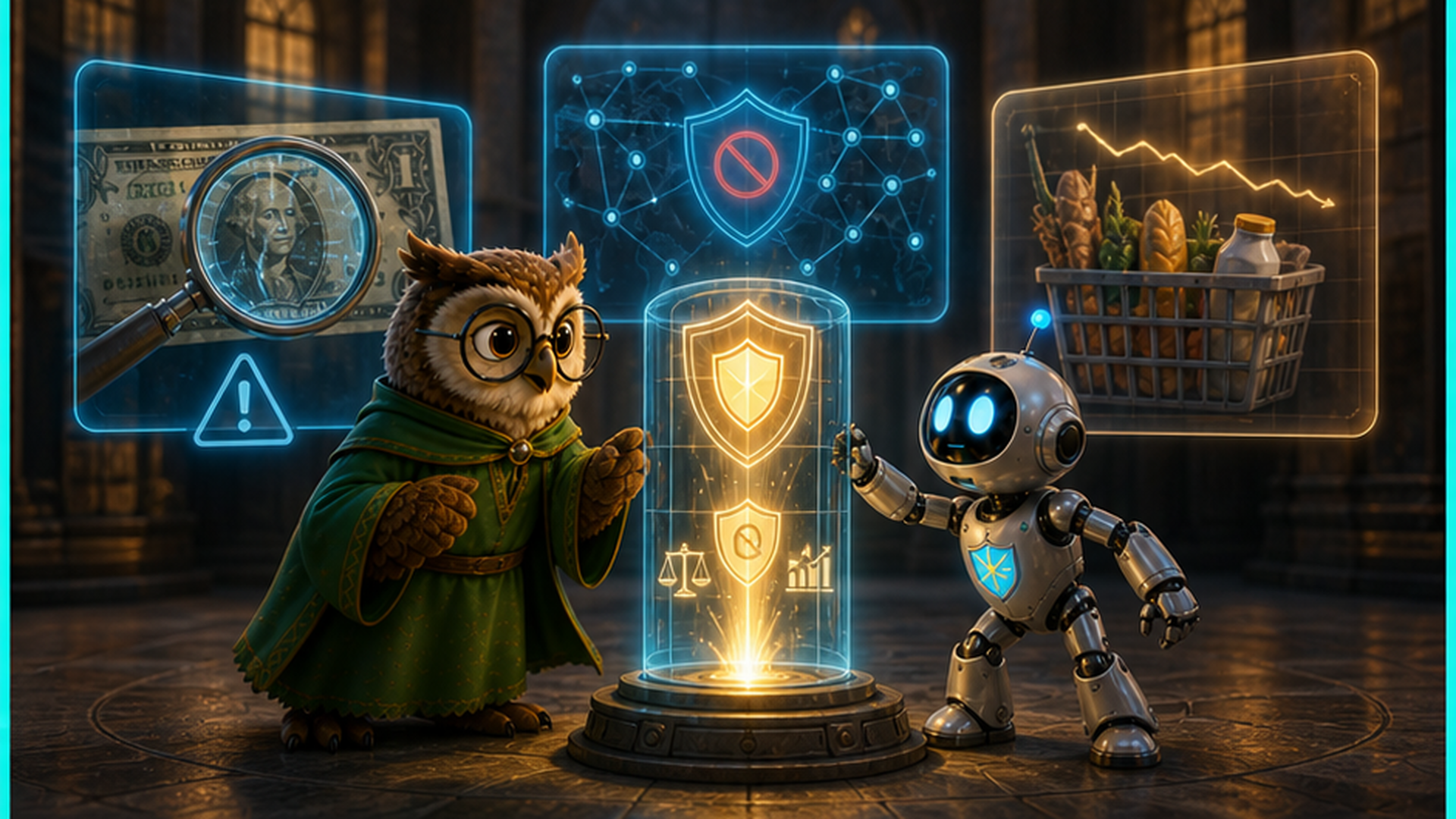
Every payment depends on trust: that records are accurate, security works, counterfeits are rejected, institutions follow the rules, and payments can actually complete. Outages and fraud show why resilience and protection matter.
Trust also involves purchasing power. Money doesn't need perfectly fixed prices, but very unstable value makes pricing, saving and planning hard. Byte finally understood: money is more than coins — it's a shared tool for exchange, measurement and time, held up by records, institutions and confidence.
You discovered what money really is! What makes money useful isn't only what it looks like — it's the jobs it does and the trust supporting it.
🎯 Hero mission: Put five cards in order — tap / instruction, checks, records update, settlement, seller paid. Then explain how paying with cash would be different.
Education only — a simplified model of payments, not personal financial advice.
Quick quiz
Answer a few questions to lock it in.
Does a payment card hold your whole bank balance inside it?